

A Relational Lens
As a change approach based on a relational/ecological ontology, we view individuals, communities, organizations and movements as a LIVING RELATIONAL ENTANGLEMENT.
This view holds that relationships between these entities are more fundamental than the entities themselves. That is, systems emerge, develop and thrive through the meaningful, inclusive and enduring relationships they are made of, not the strength of particular individuals.
From this RELATIONAL FIELD PERSPECTIVE, we see human beings as radically “prosocial,” and therefore resilience (ecological, social and individual) depends on having an intentional culture of care, complex inclusion, and shared leadership.
Pushing back on anti-relational values
This relational worldview directly contradicts the foundations of the culture of individualism, and ultimately materialism, which sees the world as made of isolated, self-made individuals that are selfish, materialistic, and utility-maximizing, with no primary relationships nor meaningful engagement with community, land, or history. Together with the resurgence of fascism and supremacist collectivist culture globally, these anti-relational values are threatening our planet and all its people.
Despite working to transform these toxic values, we still have to contend with the harm of dominant culture in our own lives and relationships. We have to grapple with the challenges of collaborating and coping with enormous complexity. This is where relational culture practice has a profound offering for those who are working for change, but still need to figure out how to protect their relationships in the process.

Change in Practice
These practices are rooted in a theory of change that targets a continuous and collectively maintained relational brain rewiring. Our aim is to change and revise the deep structures and frames of language and behavior (our unconscious bias and habits) that we can only access through working in connection. We see resilience as a community’s collective capacity to enrich an intentional culture with relational resources, aka a relational habitat.
Cultivating key resources:
-
✷
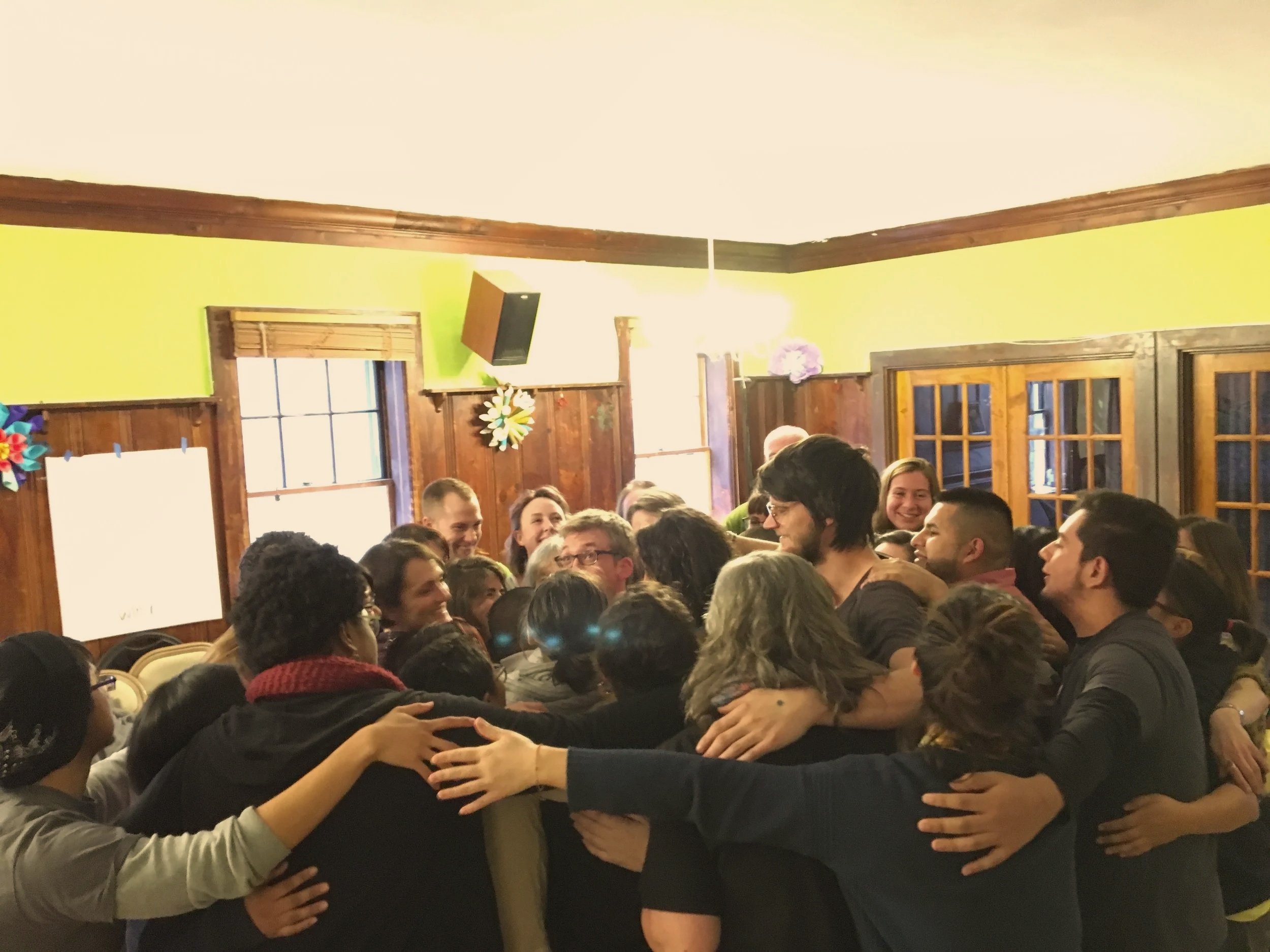
Supportive, Caring & Distributed Dependency/Dependability
-
✷
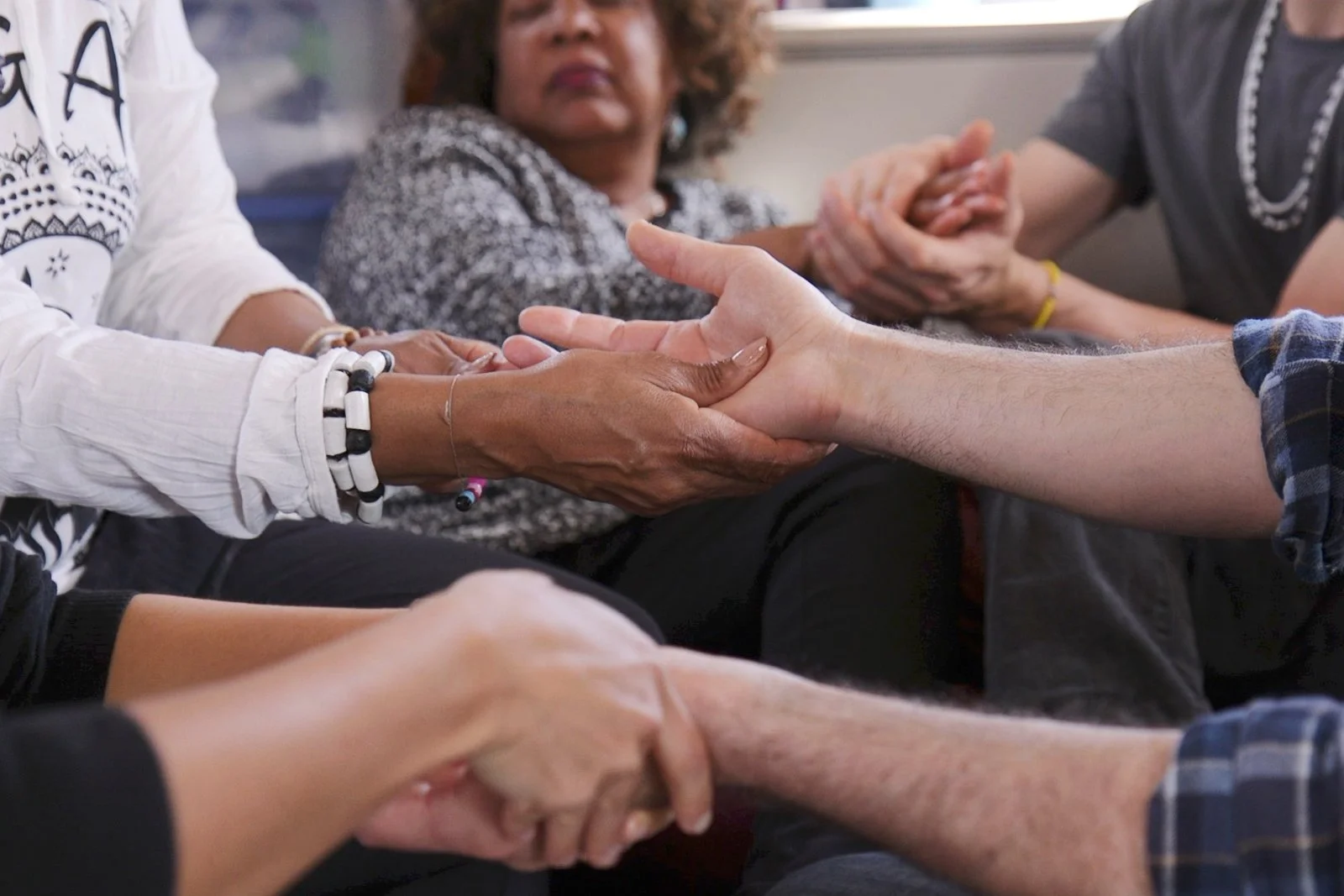
Sensitivity to Connection, Felt Experience & Embodied Resilience
-
✷
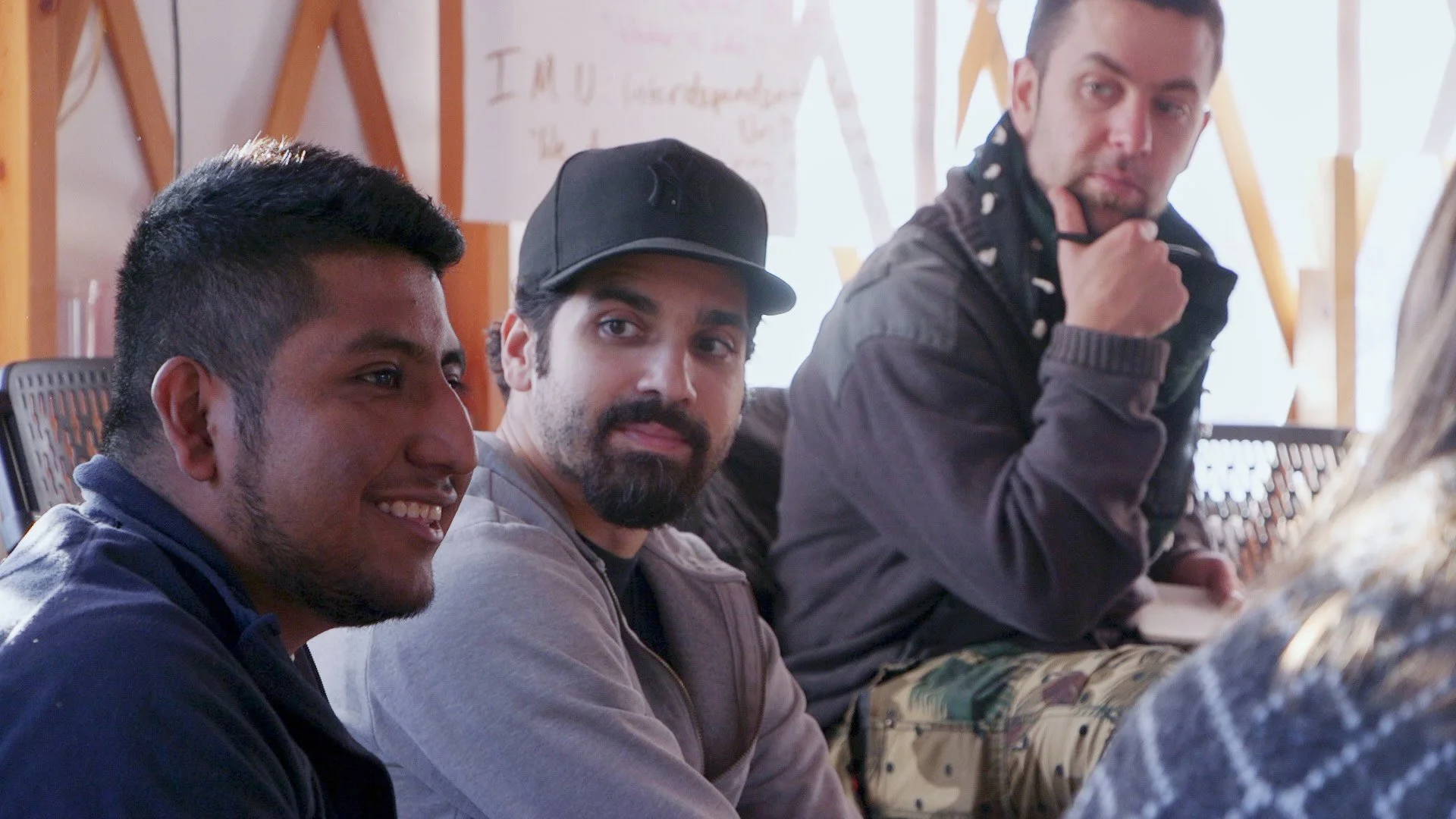
Complex & Sustained Inclusion and Space for Meaningful Contribution
Our History and Theoretical Roots
The inspiration for Relational Uprising was born from our 25+ years of learning and practice at the intersection of community organizing work, relational gestalt, and somatic education. Our work is part of a shift happening across many fields that are embracing a relational ontology (aka worldview), which is transforming approaches to knowledge and practice and is standing with the relational cultures of the world that have historically existed at the margins of empires. This relational movement understands the harms inherent in both individualism, which glorifies the individual at the expense of community, and collectivism, which offers belonging at the expense of difference.
The core curriculum for the Relational Culture framework was sponsored by and incubated at the former Leadership Institute of The Relational Center, an innovative Los Angeles-based non-profit, were we launched our inaugural project called the Culture of Radical Engagement in 2013. We partnered with The Watershed Center in the Hudson Valley of New York, who sponsored us during the our launch on the east coast of the US in 2016. We became our an independent non-profit organization in 2022, and are now based in the Berkshires, Massachusetts.
We are now a change-making training and coaching institute which has trained thousands of activists, organizers, educators, advocates, farmers, land stewards, community builders and more from over 200 organizations and communities that now embrace the Relational Culture framework as integral to their own theory of change and approach.
An enormous influence on our commitment to a relational ontology also comes from important chapters of our own stories, including early experience in the powerful mutual aid models of the AIDS movement, as well as training with Mexican and South American indigenous movements and healing traditions, particular the Zapatista movement of Mexico, who modeled the crucial practices of building radically inclusive solidarity across global movements, and the Kichwa and Shuar healers of the Amazon and Andes, who imparted formative knowledge about the relational nature of healing and repair.